
The Rhode Island Center for Photographic Arts is celebrating Women’s History Month. For 2026, we have invited the Imogenes back to provide an update on their collaborative art-making and to highlight individual photographic work. Originally featured in the Focus Gallery in 2020, as part of our annual Behind the Lens series, this collective of seven women presented Visual Conversations. What began as a visual exercise based on the old Telephone game became a series of truly collaborative works. Unfortunately, the public did not see The Visual Conversation Project in 2020 due to COVID-19. We are happy to present The Imogenes for this follow-up exhibition, both as a look back and to see where they are in 2026.
The Imogenes – Karla Bernstein, Diane Collins, Estelle Disch, Deb Ehrens, Paula Laverty, Lisa Redburn, and Jean Schnell began working together during their retirement years. They named their group after Imogene Cunningham, who made art well into her nineties.

The Imogenes: In Conversation
The Imogenes is a creative support network of seven photo-based artists scattered across New England. Looking for a way to maintain meaningful connections across time and distance, we began an exercise we called the Visual Conversation. In the beginning, the goal was simply to hone our creativity and inspire each other. We worked individually in response to one image at a time, similar to the game of telephone. However, when we saw the outcome of our first visual conversation, we realized that the whole was greater than the sum of its parts: our conversation was collaborative art. We decided to continue.
The grid on this wall represents one complete conversation. When we received an image, we were inspired and challenged! What was most significant to us about what we were seeing? Did we want to respond to the subject? color palette? pattern? shape? line? light? An emotion the image evoked? Or, did we want to change the conversation?
Recently, we experimented with creating a visual conversation through the lens of language. In Words We See, the prompt was a word, rather than an image. It was challenging to choose among the many possible visual interpretations of a word. Some words resisted being “seen” at all. As you look at each photograph, does your definition of the word align with what you see? Do any of the photographs encourage you to “see” the word differently?
Photography is a solitary practice, which made Visual Conversation and Words We See especially meaningful opportunities to work in community. Each participant was a vital link, united by a strong sense of commitment to one another and to the projects. The days we gathered to view the completed work were extraordinary — moments to share insights, reflect together, and witness the visual rhythm and varied interpretations that emerged in each project.
Behind the Lens 2026: Women in Photography – The Imogenes

Our 2026 Women in Photography exhibition catalog is available here
All of our exhibition catalogs are available for home delivery…
Karla Bernstein

About: Karla Bernstein
Karla Bernstein uses her camera to produce images that contribute to the stories she tells. Her recent work has taken her beyond the traditional photographic image. Through compositional digital editing-the art of creatively blending several images into one-she creates the moods and scenes from her imagination. Much of her work is informed through her experiences as a Nurse Practitioner in Women’s Health.
She was fortunate to study in an extended photography mentorship program with Alison Shaw in Martha’s Vineyard. It was through Brooke Shadan’s photography and teachings she fell in love with compositional story telling.
Karla’s photography has received multiple awards in the New England area. Photos from her photojournalistic project were featured in the April, 2015 edition of ‘Connecticut Magazine.’ Her work has been seen in various solo exhibitions, as well as at Rhode Island Center for Photographic Arts, Timberline Review, Alison Shaw Gallery, The Carriage Barn Gallery, Visual Impact Gallery, Marie Louise Trichert Gallery, Yankee Magazine, Stamford Art Association.
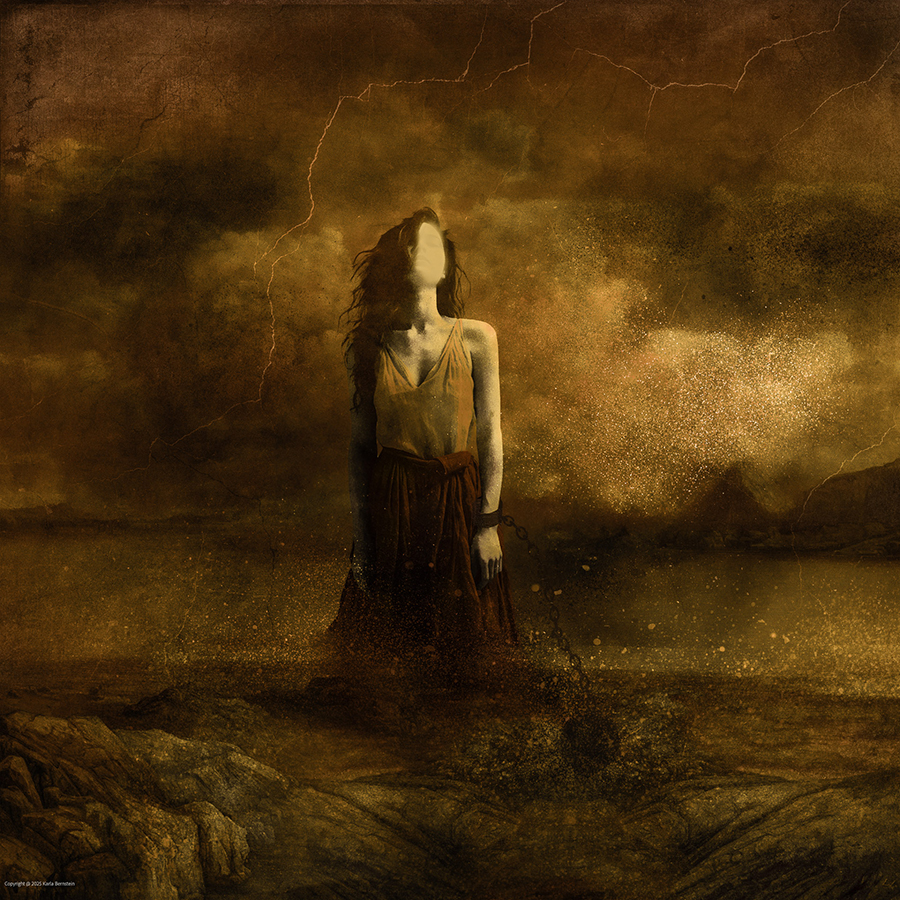
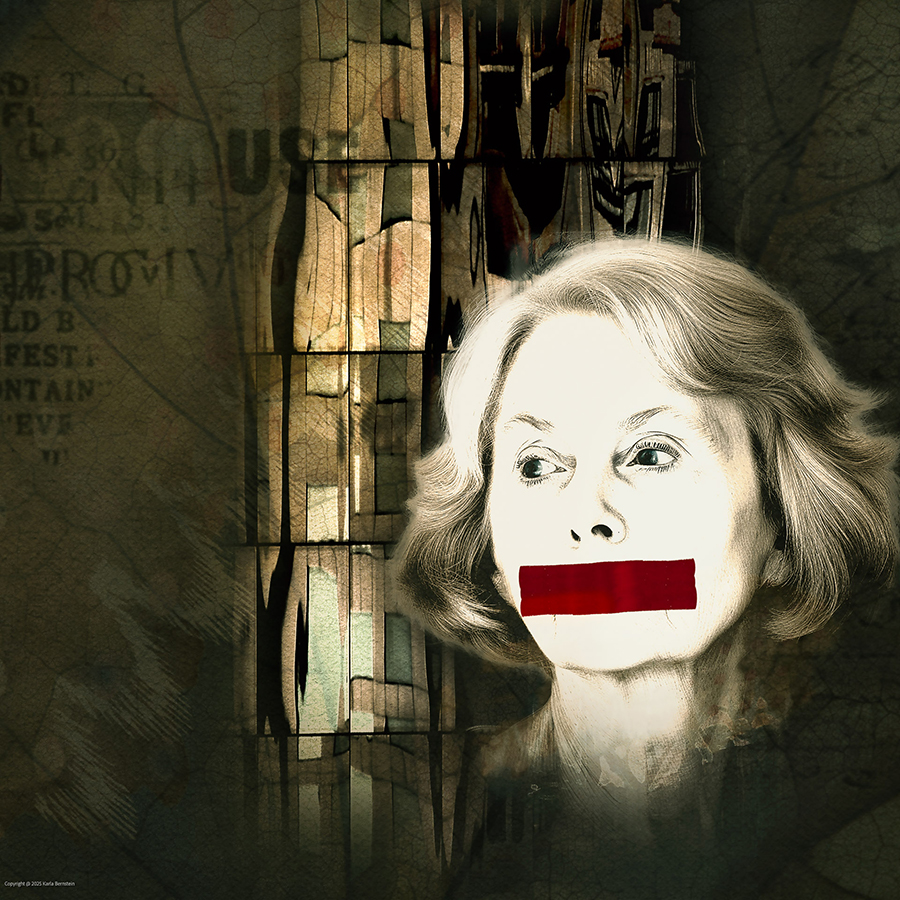

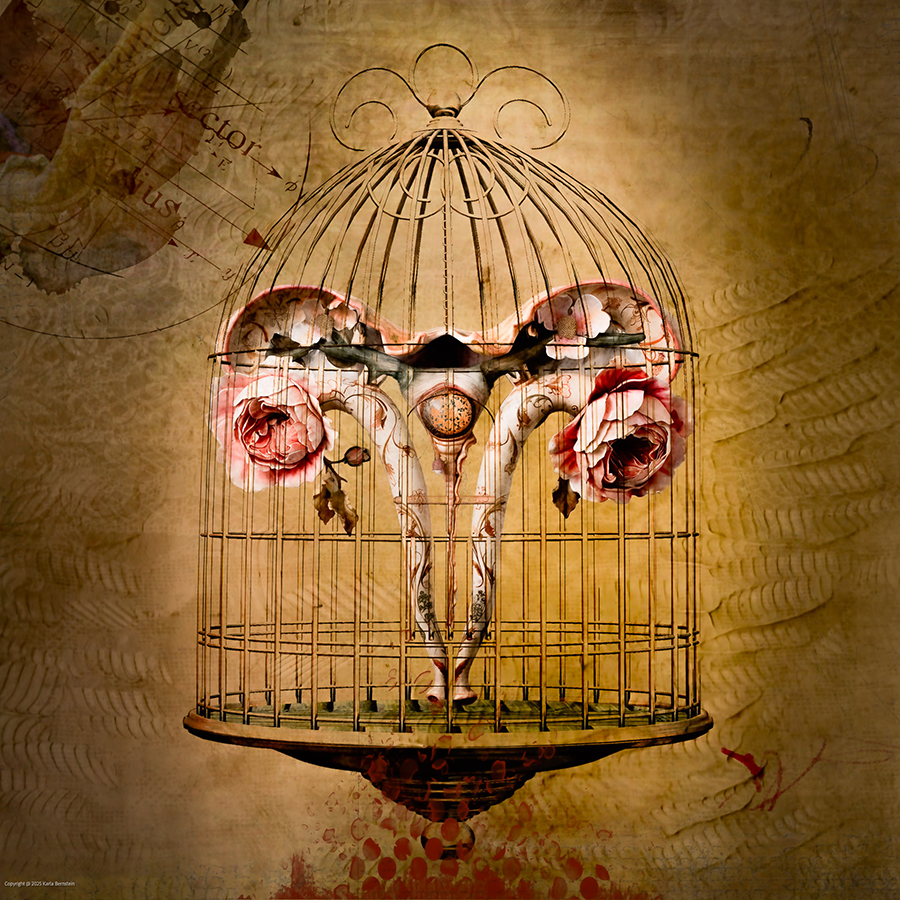

Artist Statement: And Still She Persists
This work is meant to celebrate the resilience of women whose voices and bodies endure societal pressures, violence, marginalization, erasure, and constraint meant to diminish their powers.
Through these images, the personal often becomes universal-echoing throughout other marginalized communities’ experiences.
– Karla Bernstein
Diane Collins

About: Diane Collins
My photographic journey began with my mother’s Brownie camera, held gently, almost reverently. In that quiet beginning, photography became a way of recording the world. As I continued with my photographic journey, it became a practice of stillness and attention. It taught me to pause, to look longer, to wait for what might quietly emerge. I am drawn to what reveals itself slowly—the subtle play of light, the quiet depth of color, the memory held in texture, the simplicity of form. Each image is an act of presence, a moment of seeing and listening.
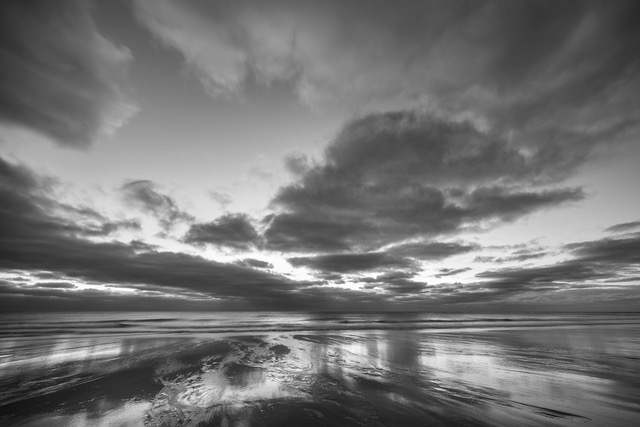
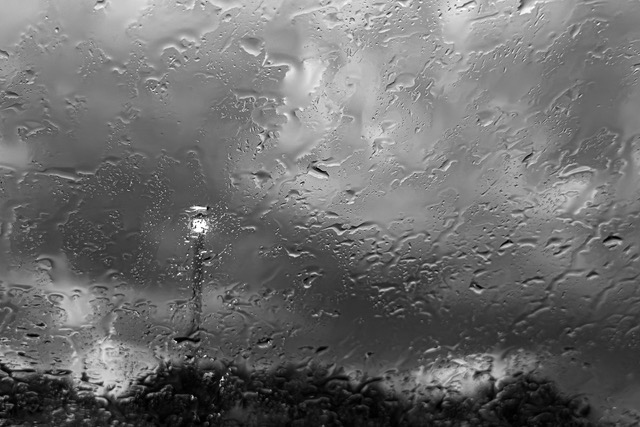
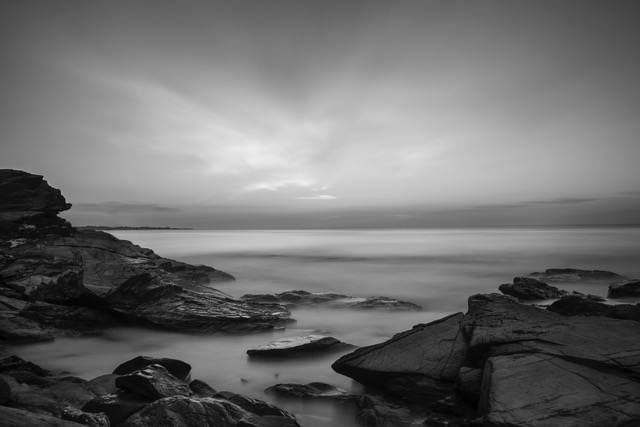
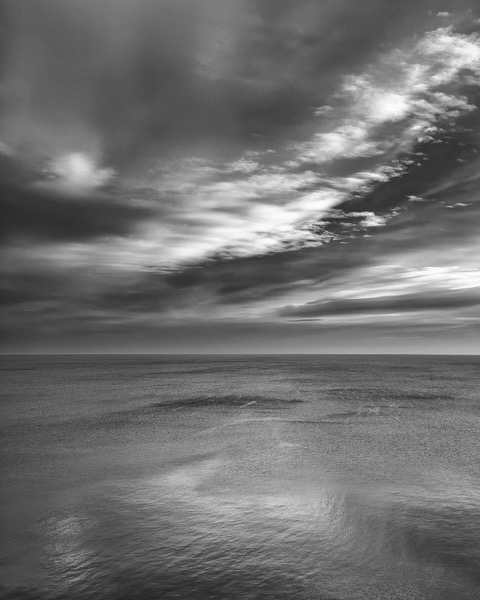
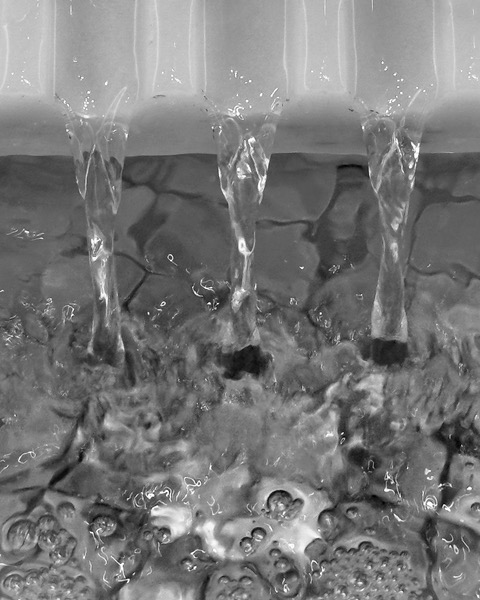
Artist Statement: Serenity and Balance
I have woven these images into a flowing exploration of serenity and balance. Each photograph offers a fragment of a journey through reflection, shadow, and light. Water, in its many forms, embodies both stillness and movement, revealing quiet states of equilibrium. It serves as a symbol of renewal and inspiration—an ever-present force of continuity and calm. I approached this photographic journey with openness and attentiveness, allowing each image to unfold with presence, reflection, and a gentle resonance.
– Dianne Collins
Estelle Disch

About: Estelle Disch
Estelle Disch is a lifelong camera owner who fell in love with Photoshop in the early 2000s while taking classes at New England School of Photography. After teaching sociology for 40 years, she retired, she gave away her darkroom, dove into photo-based digital art, and never looked back. Estelle met the Grandmothers of Plaza de Mayo through her late partner Rita Arditti, who wrote a book about them (Searching for Life: The Grandmothers of Plaza de Mayo and the Disappeared Children of Argentina, University of California Press, 1999). The images displayed here are sold as a fundraiser for the Grandmothers and have been shown in two galleries two libraries and a courthouse.
Estelle’s other work has appeared in many juried exhibitions and gallery shows.
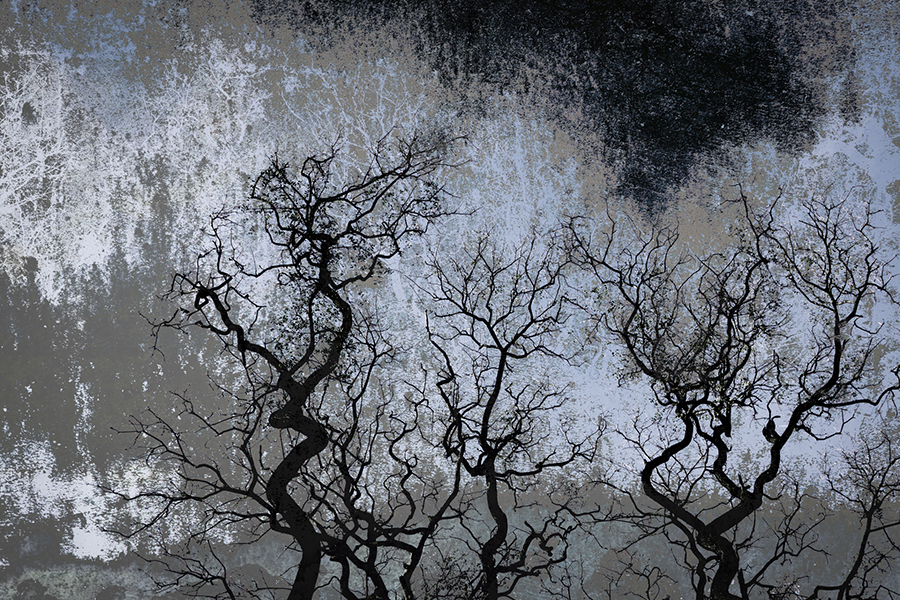

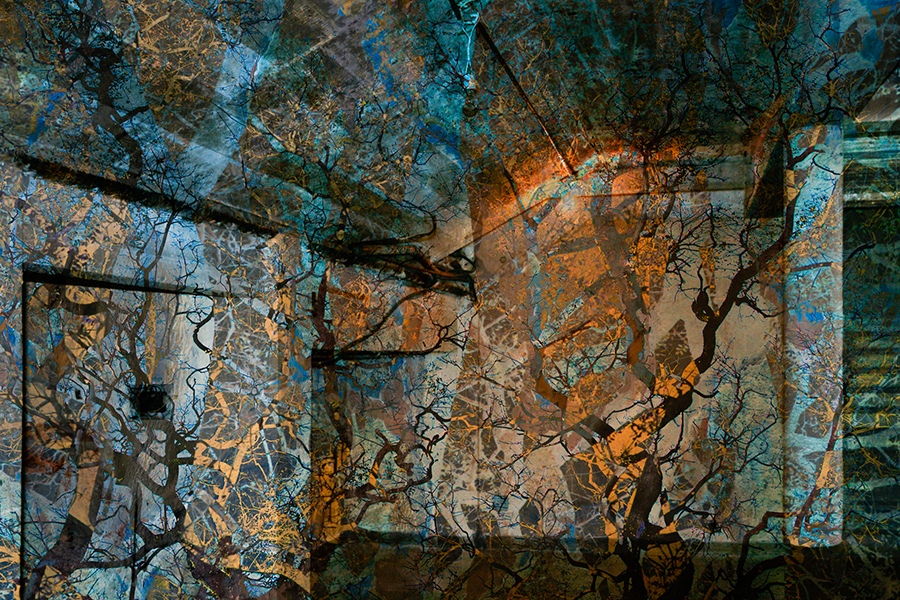
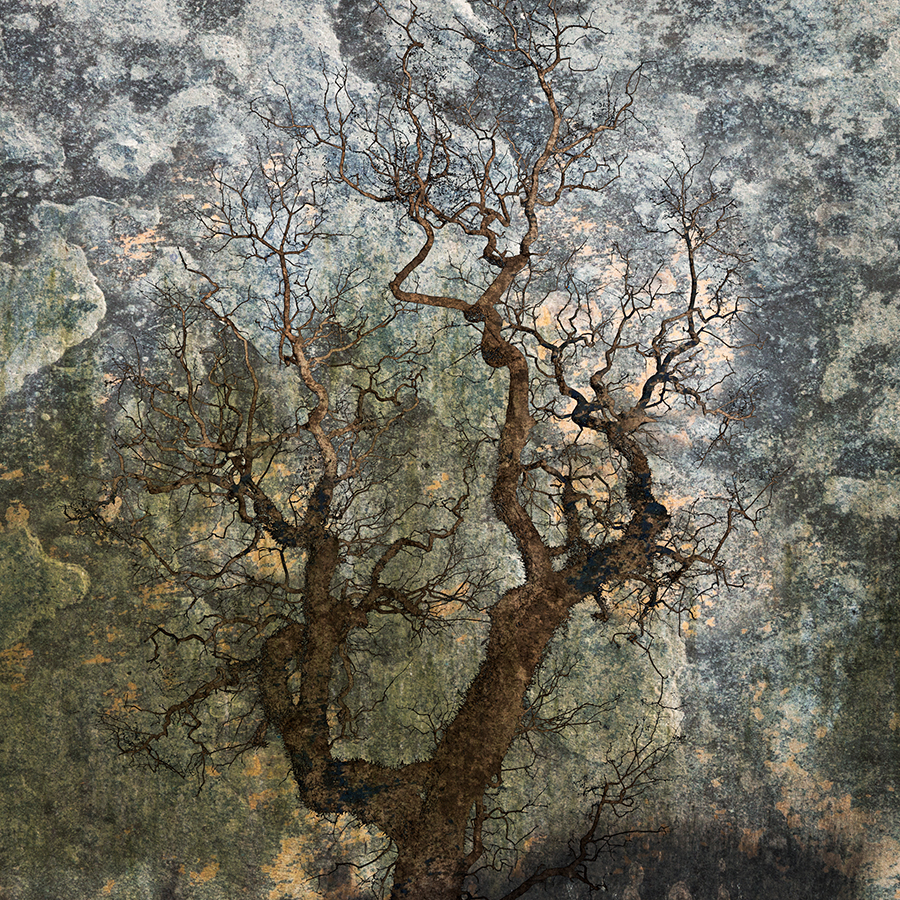
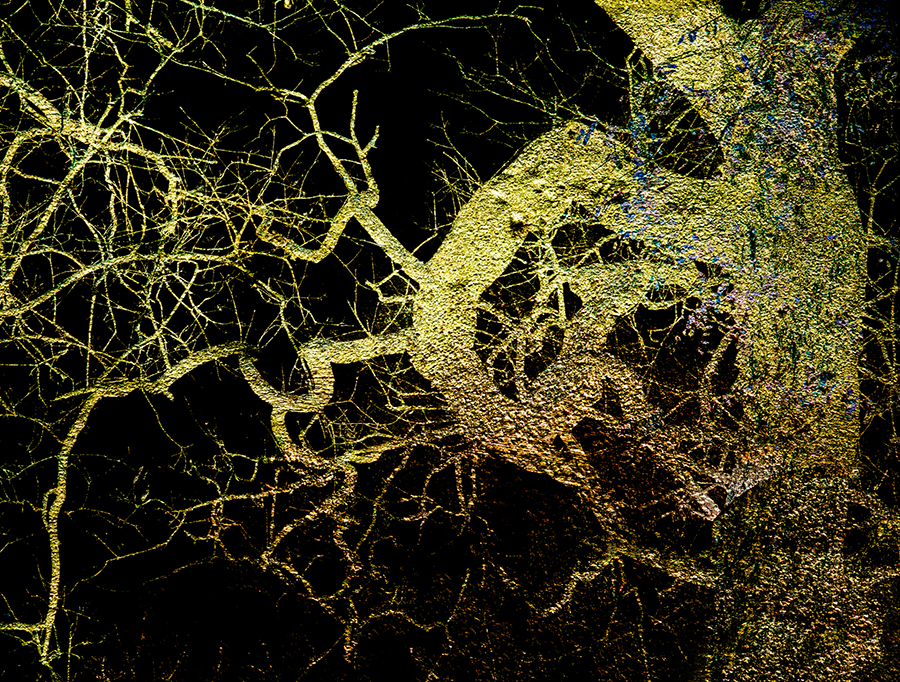
Artist Statement: Impressions of Disappearance in Argentina
These images are my artistic response to a deeply haunting place and the terrifying memories it holds. The former Escuela de Mecánica de la Armada (aka ex ESMA, the Navy Mechanics School) is the site of one of the most notorious clandestine detention centers that functioned during the last Argentinian dictatorship (1976-1983). An estimated 5,000 people were processed through this facility. Only about 200 detainees emerged alive; the rest are counted among the 30,000 disappeared.
The campus of this former military school is a mix of horror and justice. In 2004 it was declared a Memory and Human Rights Space and in 2023 it was declared a UNESCO World Heritage Site on the basis of the importance of memory. Human rights organizations occupy many of the buildings, providing essential information about what happened there. However, this focus is being challenged by the current government.
I have spent many hours on the grounds of the ex ESMA, trying to make sense of what occurred. I despair at the fact that humans connected to this place stole newborn babies from the arms of their mothers and pushed people alive from cargo planes into the river and the ocean. I marvel that anyone emerged from here alive. And I rejoice at the fact that many of the children born here and placed in illegal adoptions have been located and have learned of their true identities.
My images represent both despair and hope. All of them contain some combination of textures, trees, and structures from the grounds of the ex ESMA. There are grim stories connected to the detention and torture spaces in the Casino de Oficiales, the building in which most of the brutality took place. The trees in my images are alive and ready to leaf out, yet their branches often appear tortured and are mostly bare. Many of the branches take on distorted human form in my imagination. Some of the textures and objects in the images suggest faces, but the impression is often unnerving. That said, the images include some bright spots and peaceful aspects, suggesting hope and justice.
Any profits from the sale of these images will be donated to the Grandmothers of Plaza de Mayo. This financial support will assist them in their continued search for the “living disappeared,” and in their pursuit of justice in the courts. Thus far they have identified 140 missing grandchildren out of an estimated 450.
– Estelle Disch
Deb Ehrens

About: Deb Ehrens
Deb Ehrens embraces age-old artisan techniques and modern digital tools in her image-making. Although largely self-taught, an ongoing mentorship with painter Deborah Quinn-Munson has been instrumental in developing Ehrens’ artistic eye. She has also taken classes at RISD and Maine Media College and studied with Harold Ross, Dan Burkholder, and Wendi Schneider. Deb is an Elected Artist of the Art League of RI, a Juried Artist Member of the Cape Cod Art Center, an Exhibiting Member of the RI Center for Photographic Arts, and a member of re/Vision. A resident of Dartmouth, MA, Deb has been a solo and featured artist at galleries throughout the region and participated in numerous national juried exhibits. Her award-winning images are held in private, corporate, and museum collections.
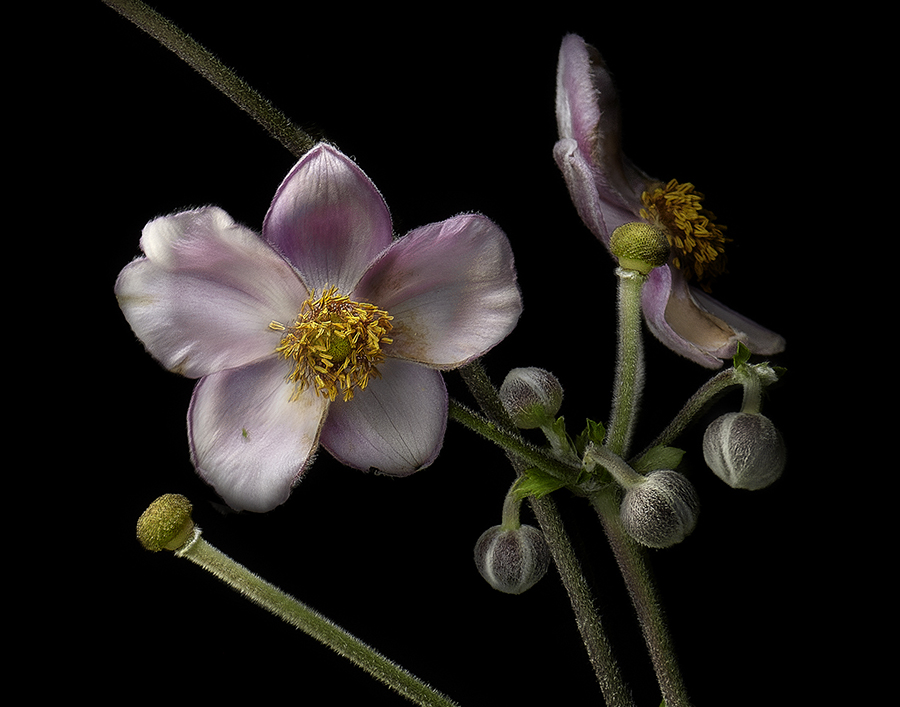
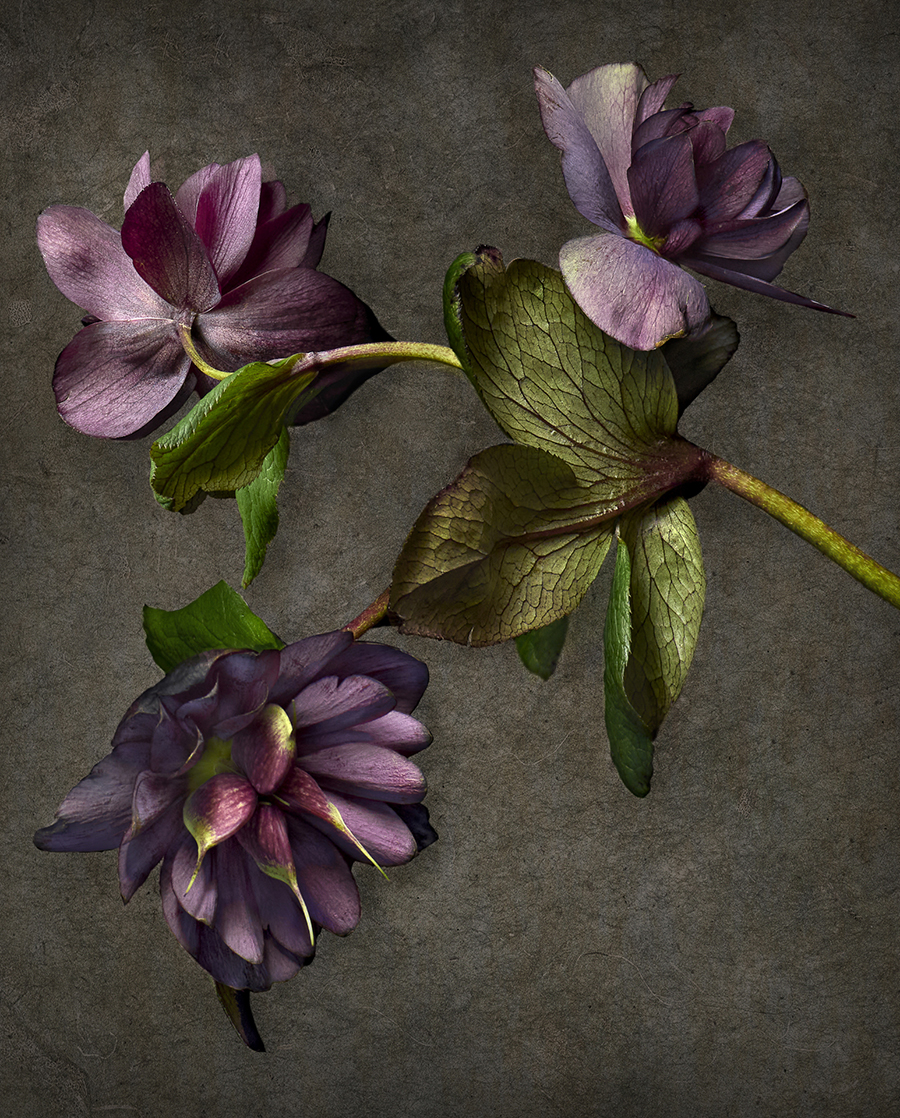
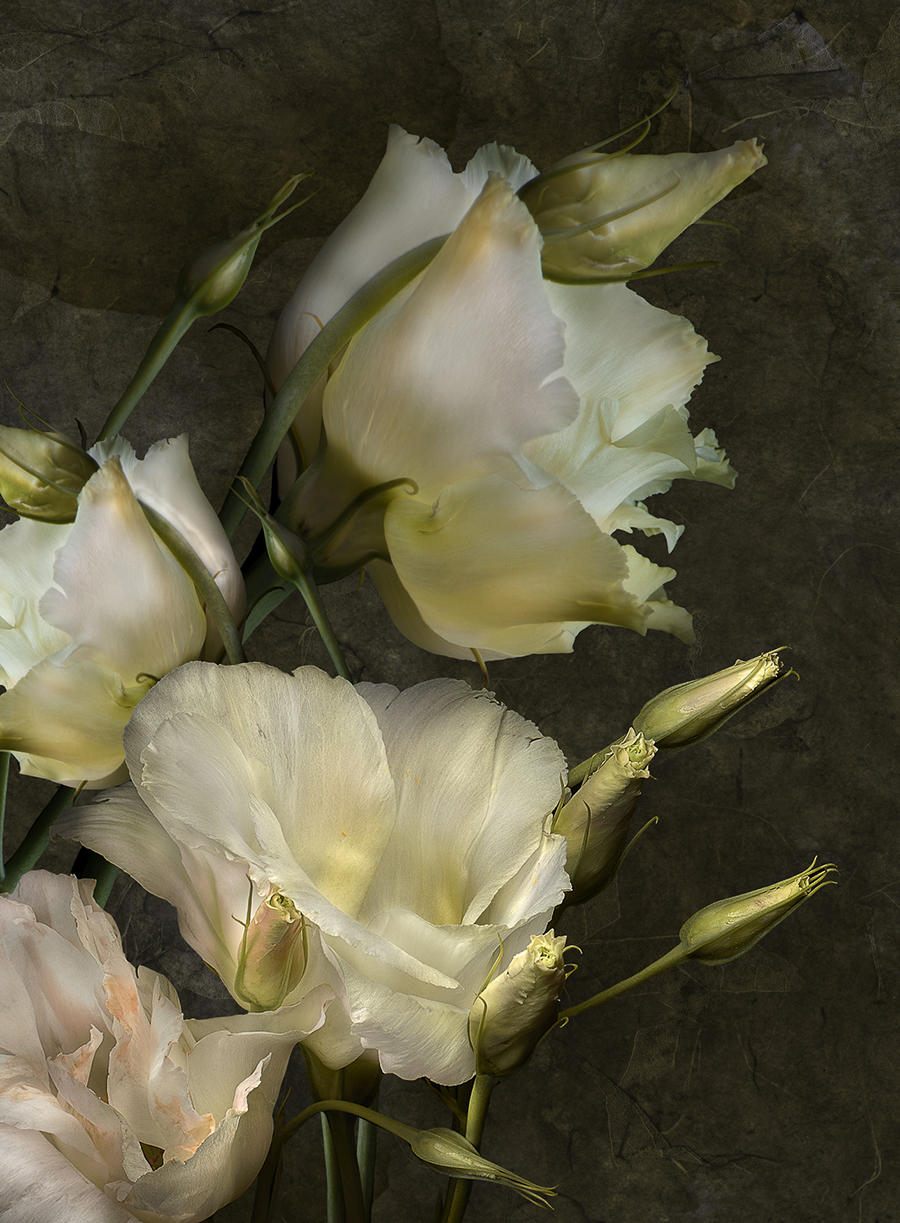
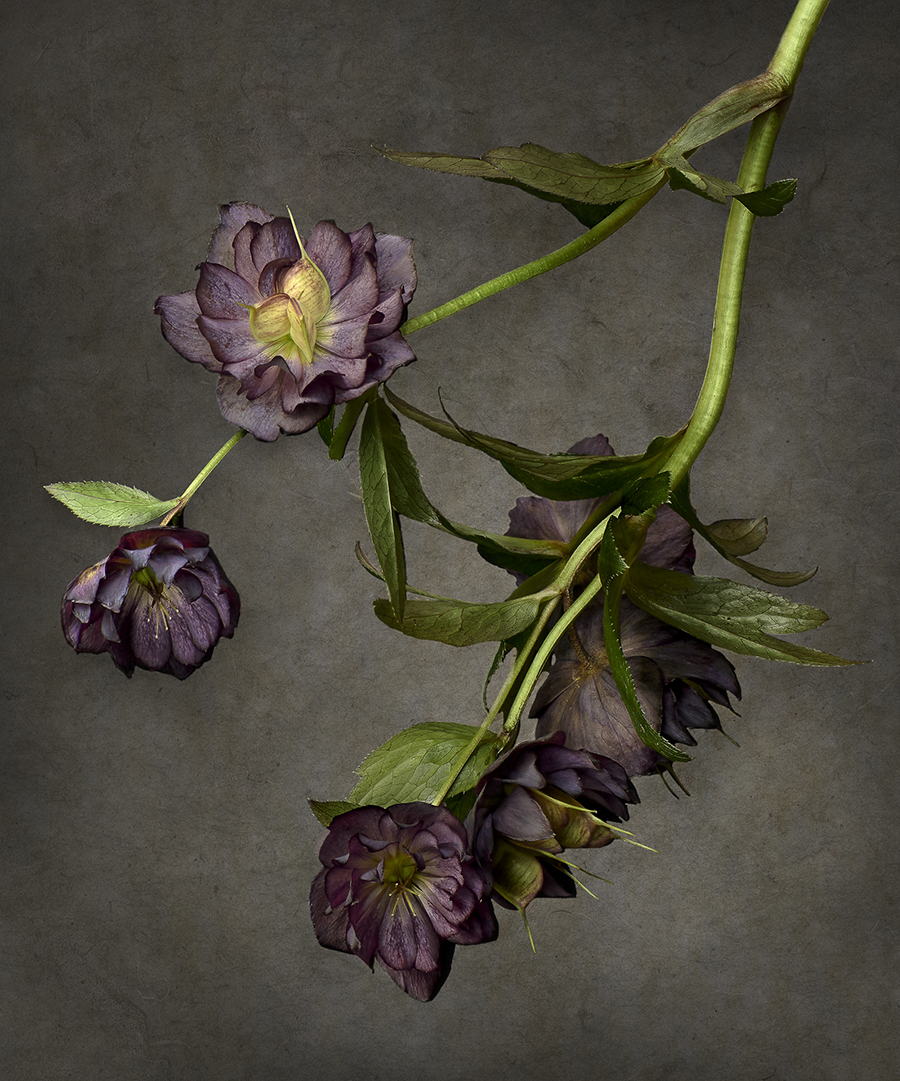
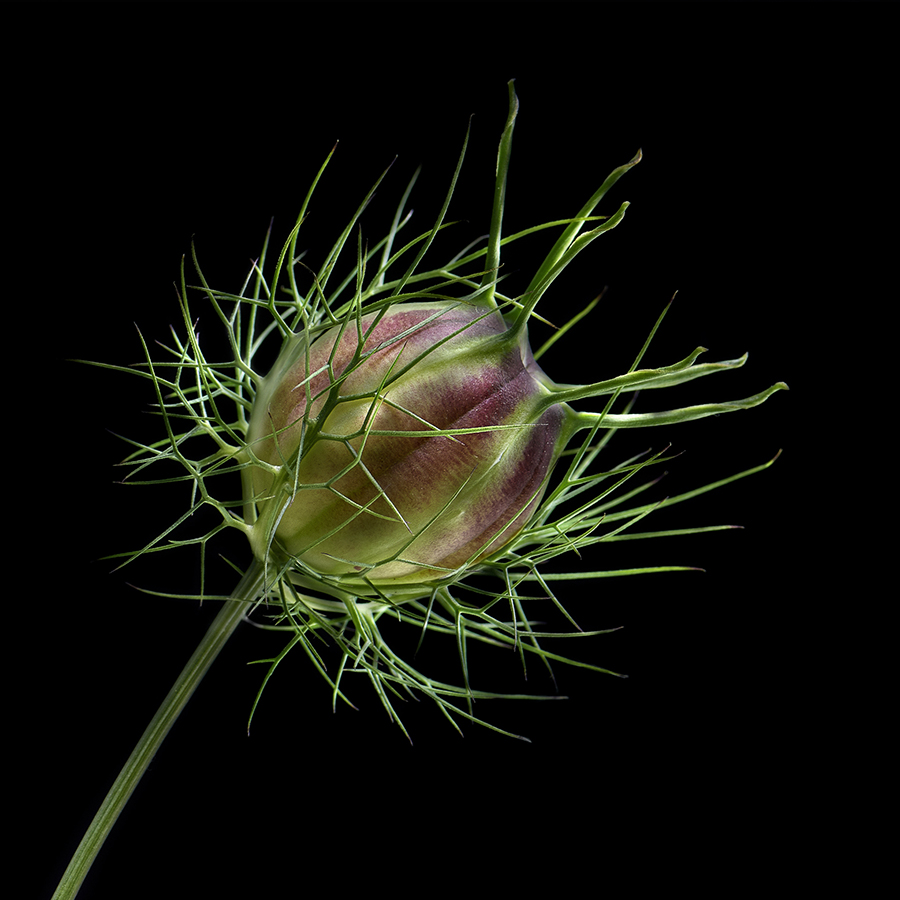
Artist Statement: Ephemeral Grace
We all have personal narratives, a collection of stories illuminating key moments in our lives. Our stories come from memories, truths, embellishments, and omissions. Using light rather than words, I have written imagined narratives about flowers from my garden. Studying that transformation from buds on the edge of an explosion to tissue-thin fibers holding the faded hues of past beauty is a meditation on life. It is a reminder to live fully in each moment.
The narrative begins in total darkness as I accentuate and embellish the flower form with fast-moving, strategically positioned hand-held lights. Each floral portrait is a combination of many digital negatives. My “canvas” begins with a layer of the darkest darks. Then, in the style of a Renaissance painter, I gradually paint in the light that reveals the form, detail, and ephemeral grace hidden within.
– Deb Ehrens
Paula Laverty

About: Paula Laverty
Paula Laverty is a Maine-based photographer…but loved living and working in Brooklyn, NY for 30 years, amid the energy of the city that never sleeps. She has now come home to Maine. She owns a primitive cabin in northern Maine, which was passed down from her grandfather, who purchased the one-room, tar-paper, hunting and fishing camp in the late 1950s. Now two rooms, it sits on the shore of First Roach Pond with unparalleled views of Big Spencer, Shaw, and Whitecap Mountains. No electricity, no indoor plumbing (but a spiffy outhouse!), no heat or running water…just the place to get her creative energy flowing.She is a keen observer, and small details have a way of jumping out, begging for further exploration. Her photography strives to capture moments, moments that might go unnoticed. Her work has been shown in a variety of galleries throughout New England, including Cove Street Gallery in Portland, ME; Ocean House Gallery in South Portland, ME; Monson Gallery in Monson, ME; and the Griffin Museum of Photography in Winchester, MA. She has also exhibited at the 1650 Gallery in Los Angeles.
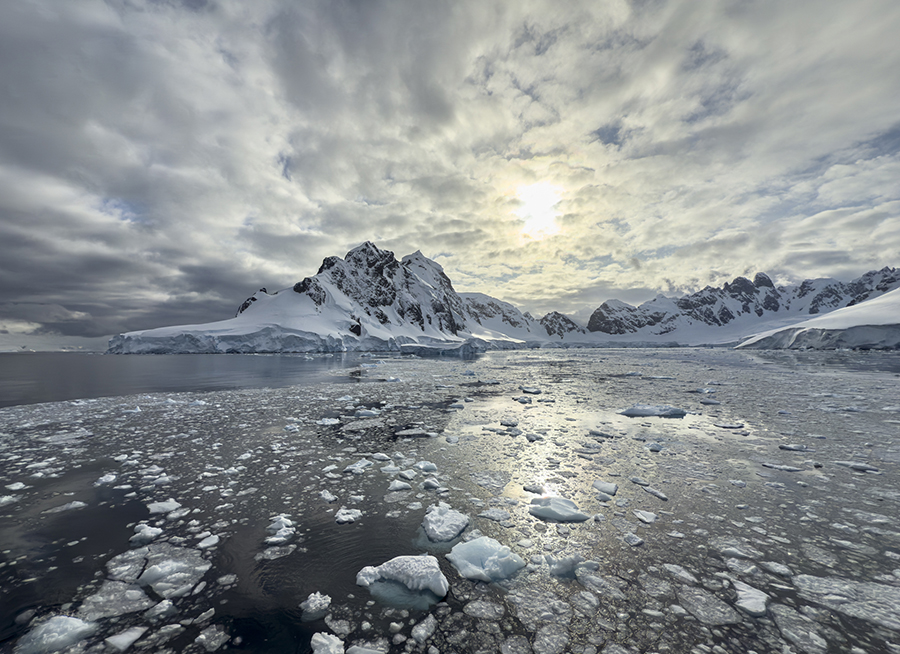


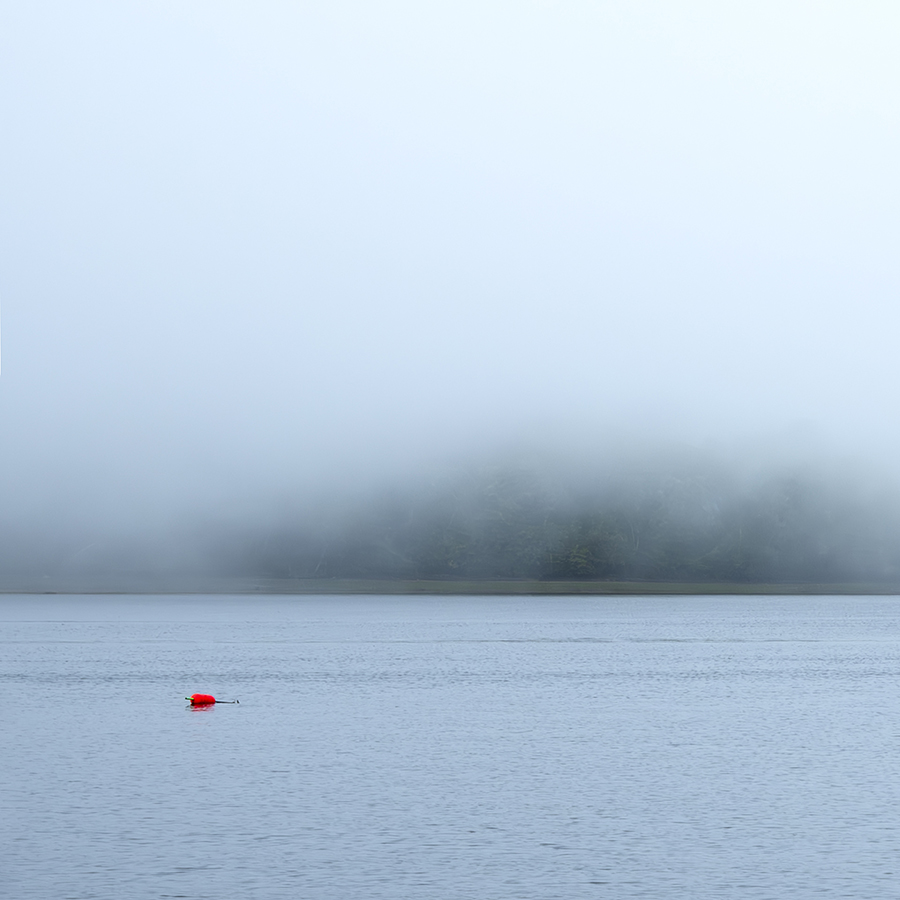
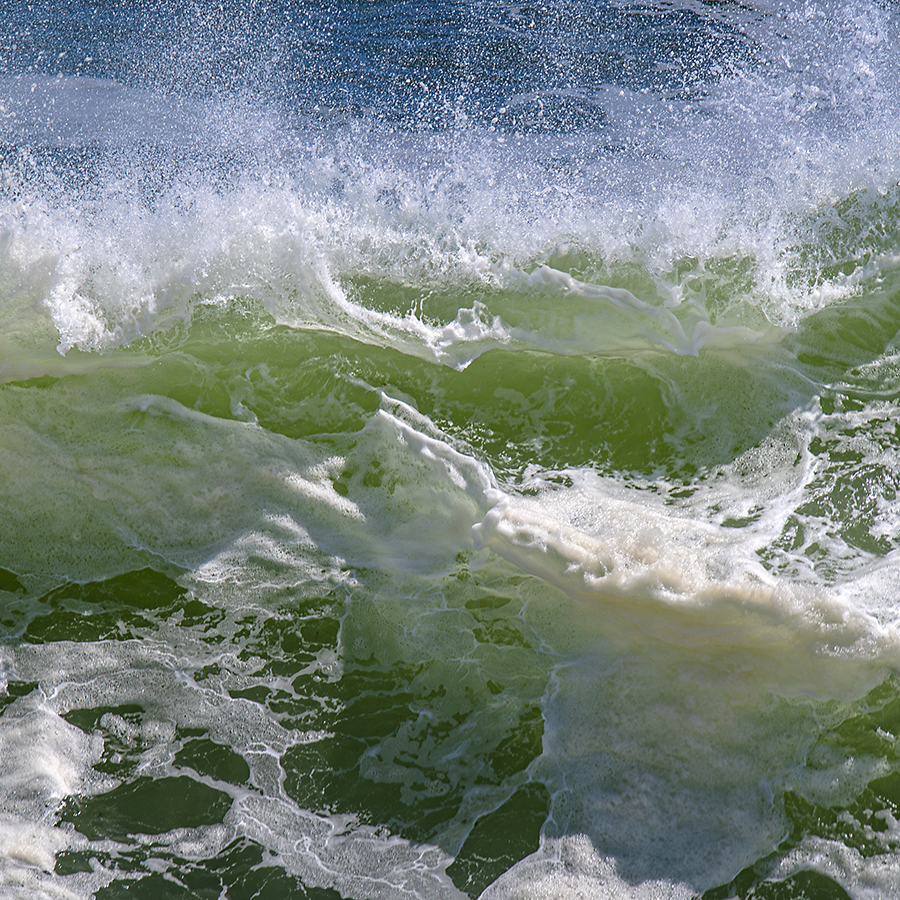
Artist Statement:
My work is deeply connected to the rhythms of nature—unpredictable weather, changing seasons, the tranquil flow of water, the quiet stillness of remote ponds and mountains, and the tumultuous moods of the ocean. I explore the emotions evoked by color, line, shadow, and reflection, aiming to capture and interpret the mood found in fleeting details. The natural landscape affirms the presence of light that is always there, even in darkness, if we are willing to look for it. Nature’s power is limitless. Through my work, I aspire to convey a message of advocacy for preserving and caring for our natural landscape.
-Paula Laverty
Jean Schnell

About: Jean Schnell
After retiring from a career as a nurse and a health coach, Jean Schnell immersed herself in the photography world.
In 2017, Jean was a Critical Mass finalist. Her Quaker meetinghouse photographs have been exhibited in numerous solo and group shows, featured in magazines been a featured and in online galleries such as Aspect Initiative and Beta 27. This work now resides at the Quaker Archival Collection at Mass.
Her Marine Hospital photographs have been exhibited in solo and group shows and several publications. This photographic work resides in several private collections and in the MV Historic Museum archives.
She is now a wannabe painter.
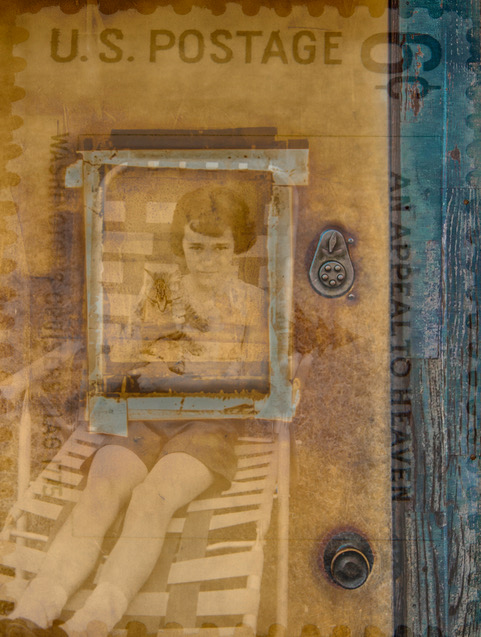
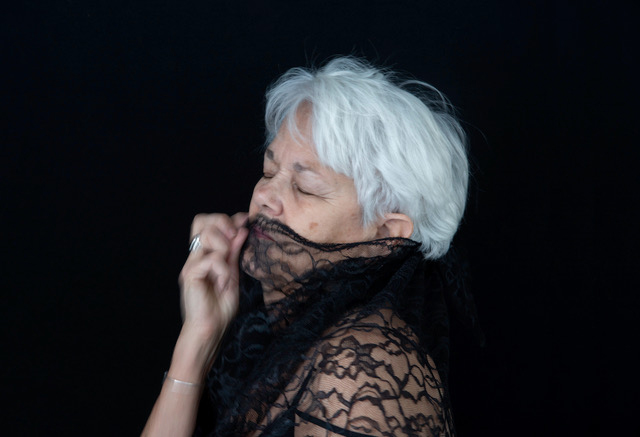
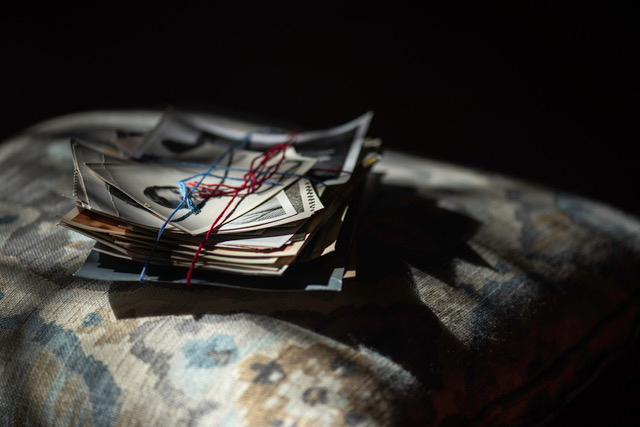
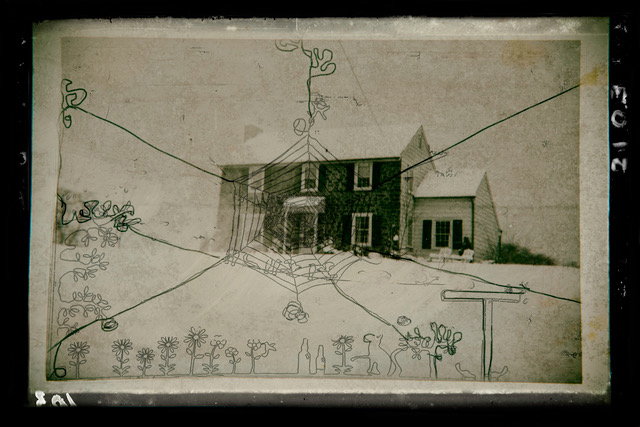
Artist Statement: Perforations
My family was happy. We lived in a nice home, in a nice suburb with a nice yard. We had fun and laughed together. We took vacations and had holiday traditions that I carry on today. I had a privileged childhood with many educational and cultural advantages. We were together a lot: six people and pets in a very small house. And yet, I have always felt profoundly alone. I hold deeply ambivalent feelings about this happy family of mine.
My parents had high expectations for school, sports, activities, and etiquette. Happy emotions were the only ones allowed. There was no room for vulnerability, fear, anger, or indecision. By the time I was a teenager, I stopped showing any feelings at all. I thought they would make me unlovable, as deviations from the norms were met with severe disapproval and sometimes punishment. My sisters and I had resentments and arguments amongst ourselves, as all siblings do. Unaired grievances and hard feelings were buried until later in life. Magnified by the passage of time, these wrongs could not be righted when we finally addressed them.
I recently found my childhood stamp album. When I looked through the entire stamp collection, I was immediately taken back to the feelings I had during the teenage years when I kept it. All the loneliness and loss of control over my own life and emotions rushed back at me. But surprisingly, I also found evidence of the love that people had for me, which was demonstrated in letters and in the lengths that my parents, siblings and family friends took to save special stamps for me. I needed to resolve these two very different perceptions of my life.
During meditation or during the night… click to continuing reading
-Jean Schnell
Lisa Redburn

About: Lisa Redburn
Lisa Redburn is a photo-based artist intrigued by the intersections between real, reflected, and remembered. She is currently creating three dimensional objects and reimagined worlds using her photographic prints.
Based in Plymouth, MA, Redburn is a juried member of the Plymouth Center for the Arts and South Shore Art Center. Her work has appeared in numerous national exhibits, including the Monmouth Museum, the Attleboro Arts Museum, the Rhode Island Center for Photographic Arts, and the Griffin Museum of Photography. She has received national recognition, including Best in Show in “From a Seed… A World of Botanicals” at the New York Center for Photographic Arts (NYC4PA). Her images have appeared in Photo Review, LensWork’s “Seeing in Sixes,” YourDailyPhotograph.com and donttakepictures.com.
Redburn studied photography with Alison Shaw on Martha’s Vineyard and with Emily Belz at the Griffin Museum of Photography.
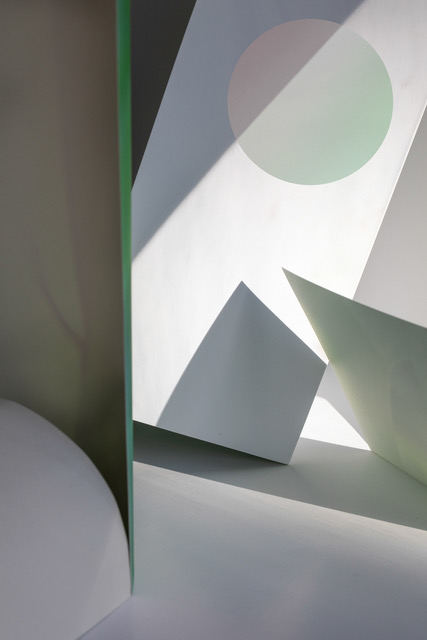
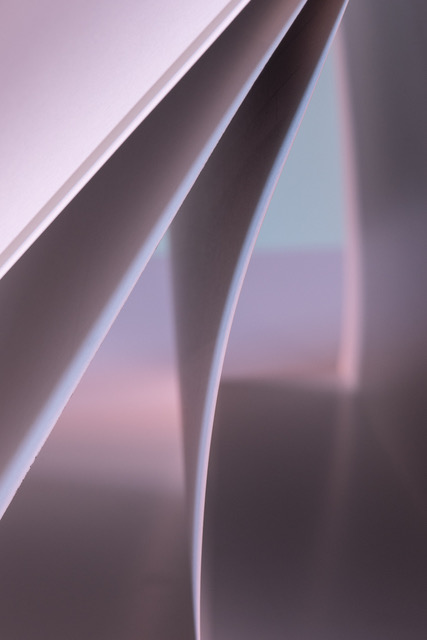
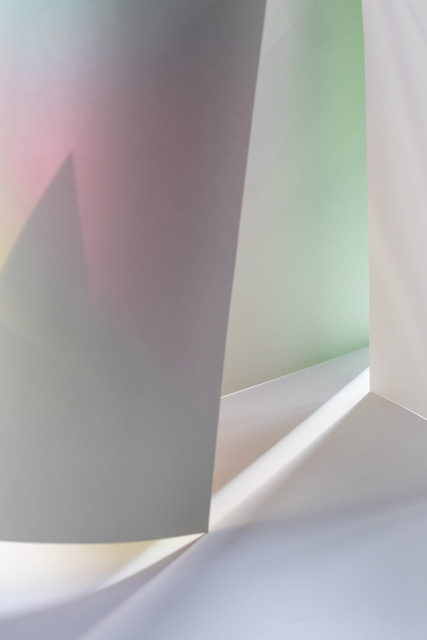

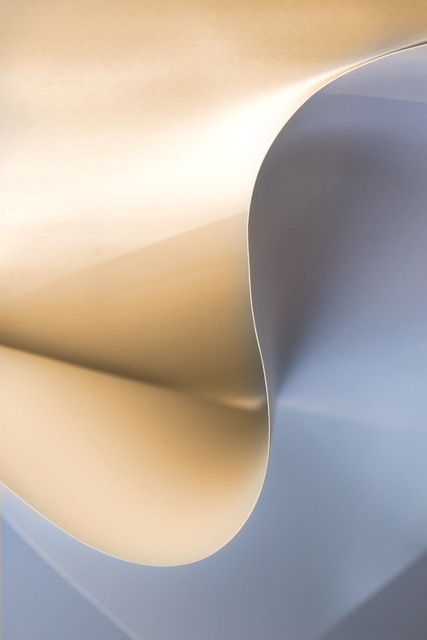
Artist Statement: Where The Light Comes In
Much of my photography is about ambiguity and the passage of time — the intersections between what was, what is, and what might be.
Recently I’ve begun bringing my archive into dialogue with the present, using printed photographs as both subject and material.
For this body of work, I fold and balance prints, then move in close with a macro lens. The process is tactile, meditative, and intuitive. The outside world falls away. Paper becomes architecture. Folds become horizons. Light finds its way through curves and corners, creating luminous passages that exist only in the moment of their making — and only if I can capture them before they collapse.
These light-filled sails and constructed spaces are inherently fragile. Yet in their precariousness they offer refuge — a place of calm that exists outside time, where past photographs fold into present forms, and open toward something not yet fully realized.
– Lisa Redburn
While Behind the Lens: 2020 never officially opened to the public, it did grow into something much bigger than originally planed. Through COVID it morphed into a series of online exhibitions allowing us to feature a much wider selection of women working behind the lens in support of our celebration of the 100th anniversary of the 19th amendment. We also re-presented it in 2021, virtually in the as part of our Behind the Lens: 2021 experience.
We are happy to be able to invite them back for this exhibition, and want to thank them for coming back after the rough start to the series.
The Rhode Island Center for Photographic Arts, 118 N. Main St. Providence, RI
Located in the heart of Providence, RICPA was founded to inspire creative development and provide opportunities to engage with the community through exhibitions, education, publication, and mutual support.
RICPA exists to create a diverse and supportive community for individuals interested in learning or working in the Photographic Arts. We strive to provide an environment conducive to the free exchange of ideas in an open and cooperative space. Members should share a passion for creating, appreciating, or learning about all forms of photo-based media. We work to provide a platform for artistic expression, that fosters dialogue and drives innovation in the photographic arts.
The Gallery at the Rhode Island Center for Photographic Arts is a member of Gallery Night Providence https://www.gallerynight.org/
Want to become a RICPA Member? Membership brings many benefits and discounts, for more information and to find the membership level that fits you, visit our website at https://www.riphotocenter.org/membership-info/ You may become a member at entry, member benefits begin immediately and run 365 days from your start date.
Questions: Contact gallery@riphotocenter.org To learn about other RICPA exhibits and programs, visit https://www.riphotocenter.org/.
Leave a Reply